MASc Students
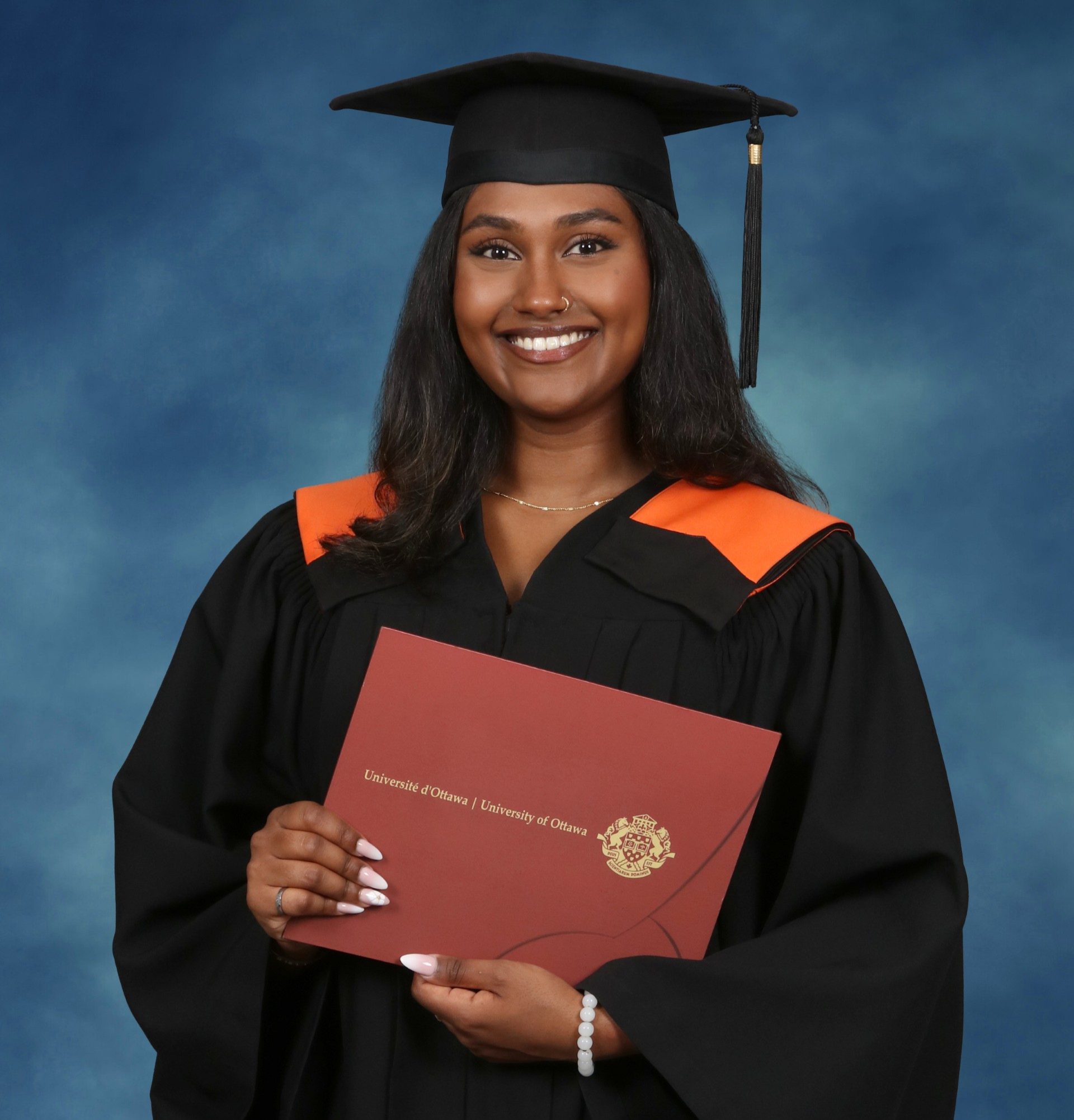
Anjali Chalayil Sreekumar
Anjali is currently pursuing her MASc in Advanced Materials and Manufacturing at the University of Ottawa, where she previously completed her undergraduate degree in Biomedical Mechanical Engineering. Through her co-op placements at Collins Aerospace and Lovehoney Group, she gained experience in materials engineering, mechanical design, product development, and quality engineering. These experiences, along with her undergraduate thesis, strengthened her interest in materials science and surface engineering, leading her to pursue graduate research at the Cold Spray Laboratory. Under the supervision of Professor Aleksandra Nastic, Anjali's research focuses on developing functional surface coatings with enhanced wave absorption capabilities.
Her work involves modifying alloyed powders to create unique architectures with enhanced surface area and functionality, which are deposited using different spray techniques to achieve the desired coating properties. Beyond her research, Anjali has been actively involved in the engineering community through undergraduate leadership roles in the Mechanical Engineering Students' Society and participation in the University of Ottawa Rover Team. She continues her involvement in academia as a teaching assistant, supporting undergraduate engineering education.
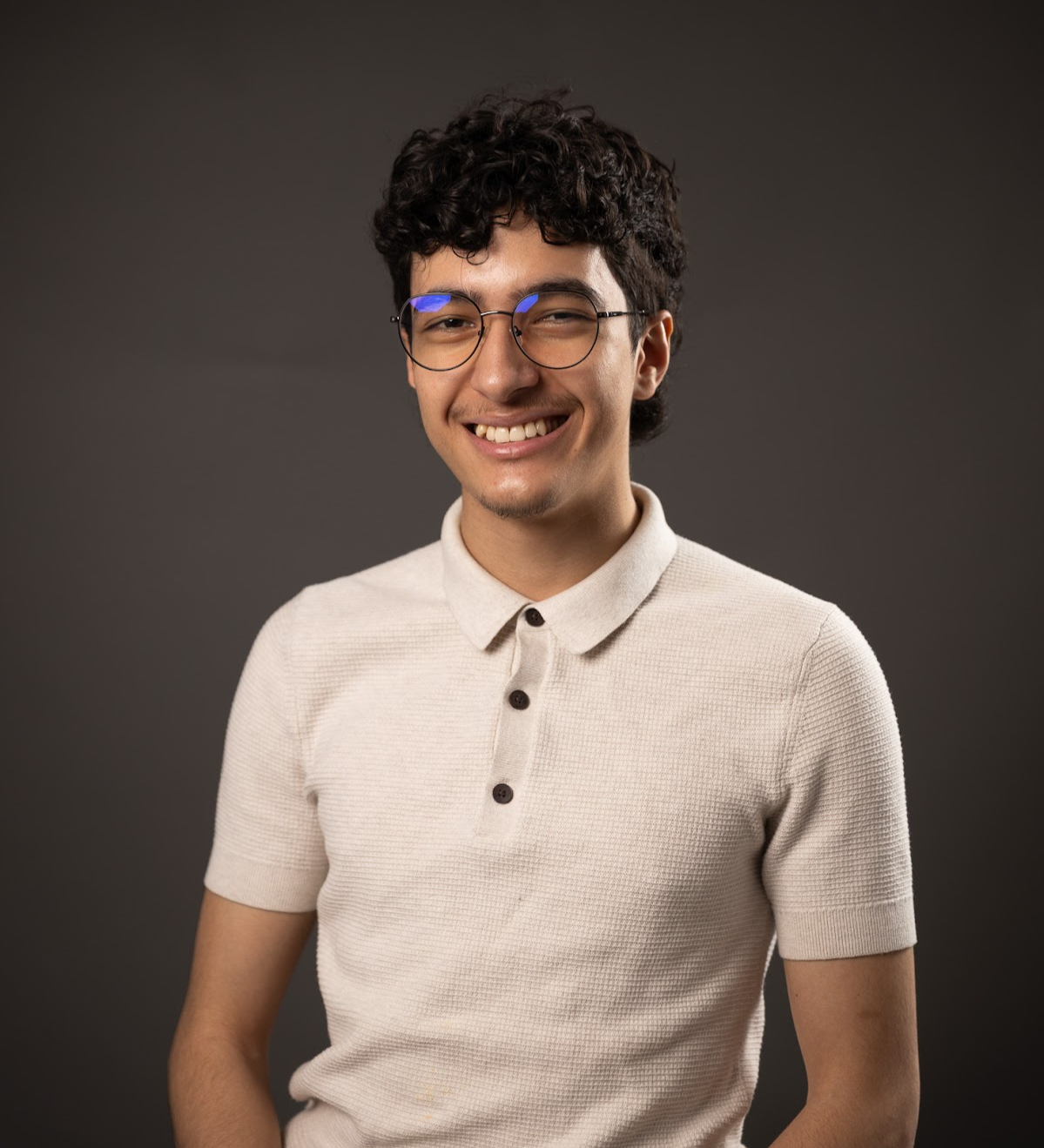
Ilyas Zarafa
Ilyas completed his Bachelor of Applied Science in Mechanical Engineering at the University of Ottawa in 2026, where he is currently pursuing his Master of Applied Science under the supervision of Professors Aleksandra Nastic and Sylvain Coulombe from McGill University. During his undergraduate studies, he developed a strong interest in thermal sciences and numerical modelling. His undergraduate thesis investigated the effects of real-gas behaviour on hydrogen–air flame propagation at elevated pressures, providing him with experience in thermodynamics and thermal-fluid modelling. During summer research at the Cold Spray Laboratory, he strengthened his computational modelling skills by developing numerical models of functionalized metallic particles for cold spray.
With a strong interest in aeronautics and a background in heat transfer, Ilyas chose to pursue graduate research that combines both fields, with the goal of building a career in aerospace engineering. Building on his previous experience in thermal-fluid sciences, his current research investigates advanced cooling methods for surfaces exposed to extreme aerodynamic heating. His research advances next-generation thermal management strategies, exploring how nanofluid cooling and engineered porous geometries can enable more efficient, resilient, and reusable thermal protection systems for extreme aerospace environments.
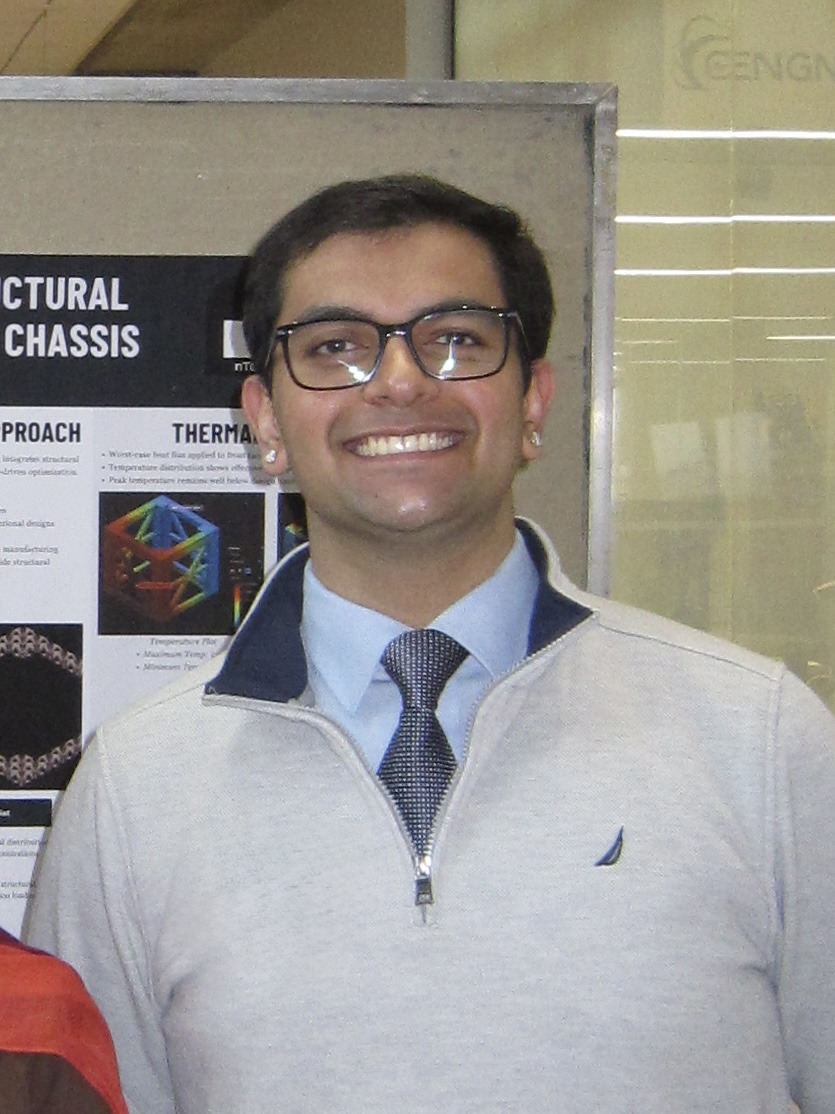
Kedar Adhvaryu
Kedar completed his Bachelor of Applied Science in Mechanical Engineering at the University of Waterloo in 2026 and is currently pursuing a thesis-based Master of Science in Chemical Engineering at McGill University. He began his professional career in the automotive industry through co-op placements at Toyota, Magna International, and Linamar, where he gained experience in mechanical design, manufacturing, and process optimization. Kedar subsequently transitioned into research co-op placements, developing a strong foundation in thermal and fluid sciences through positions at the University of Waterloo's Laboratory for Inverse Analysis and Thermal Sciences, the National Research Council of Canada (NRC), and McGill University's Catalytic and Plasma Process Engineering Laboratory (CPPE).
Kedar's graduate research is co-supervised by Professor Sylvain Coulombe of CPPE at McGill University and Professor Aleksandra Nastic of the Cold Spray Research Laboratory (CSRL) at the University of Ottawa. His research focuses on experimental approaches to thermal management and thermal protection in extreme aerodynamic environments, contributing to the development of advanced technologies intended to improve vehicle resilience under hypersonic flight conditions and within a plasma environment.
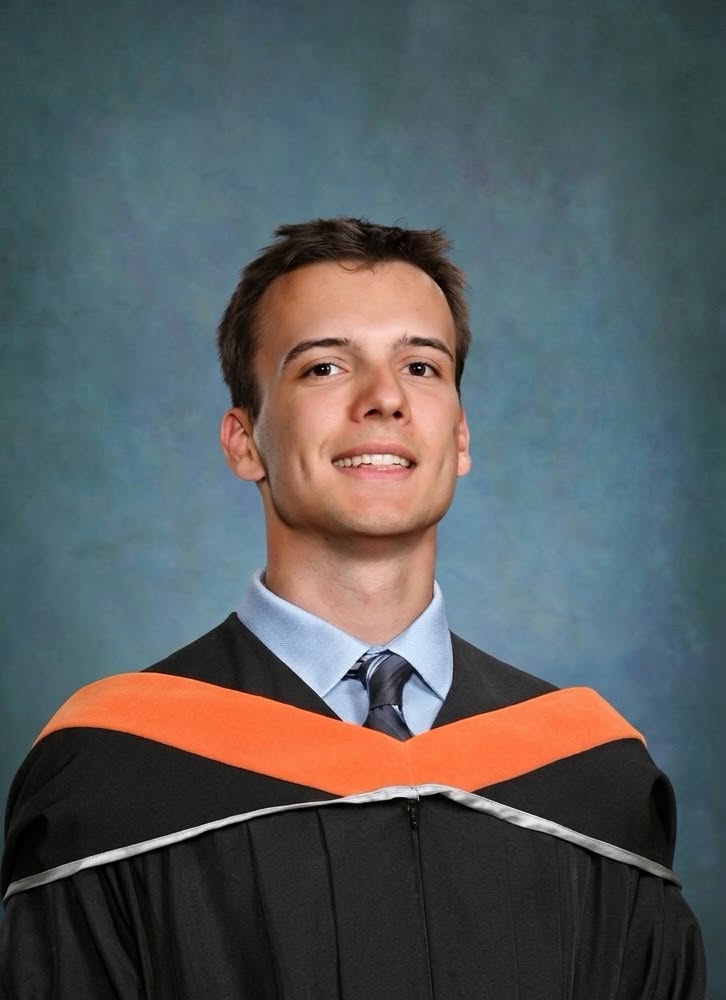
Ryan Lambley
Ryan is currently pursuing a Master of Applied Science at the University of Ottawa in mechanical engineering. Ryan previously completed his Bachelor of Engineering at Carleton University, during which he had a 16-month Co-op at the National Research Council of Canada working on engine and propeller icing research. During his Co-op, he gained strong experience in design, hands-on problem solving and data analysis, leading him to pursue his master's through the same institution. His graduate research is co-supervised by Zekai Hong at the National Research Council of Canada. There, his research focuses on combustion fundamentals and gas turbine combustor cooling through active thermal protection.
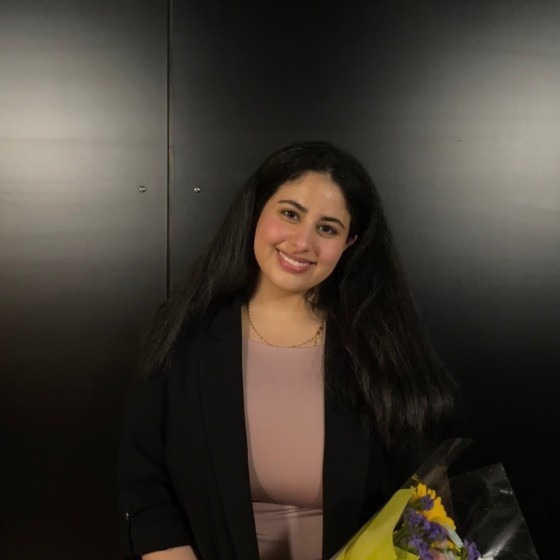
Yomna Elsahli
Yomna began pursuing her MASc in mechanical engineering in the fall after graduating with her BASc in Mechanical Engineering (+COOP) at uOttawa. Her COOP placements allowed her to experience the mechanical engineering field, by working as a mechanical designer, R&D engineer, and technician. Ultimately, Yomna's main interests lie in lab research and development, which led her to pursue graduate studies at the cold gas dynamic spray lab. Yomna's current research focuses on modifications to an alloyed powder to obtain a "smart" powder, with the goal of achieving superior coating properties when sprayed. These modifications are made in-lab, using principles of chemistry to obtain the desired powder microstructure . The resulting powder should allow for the inclusion of difficult to spray additives such as graphene, which will contribute to more optimal coating properties such as higher thermal conductivity and wear resistance.

Simon Beaulne
Simon earned a Bachelor's in Mechanical Engineering from the University of Ottawa in 2024, where he completed five CO-OP internships. He is now pursuing a Master of Applied Science, with a strong interest in applying academic knowledge to real-world engineering challenges. His research aims to support Canada’s leadership in reducing automotive emissions by improving electric vehicle battery efficiency. Using cold spray additive manufacturing, Simon is developing advanced heat sinks to address the limitations of current power module cooling systems.
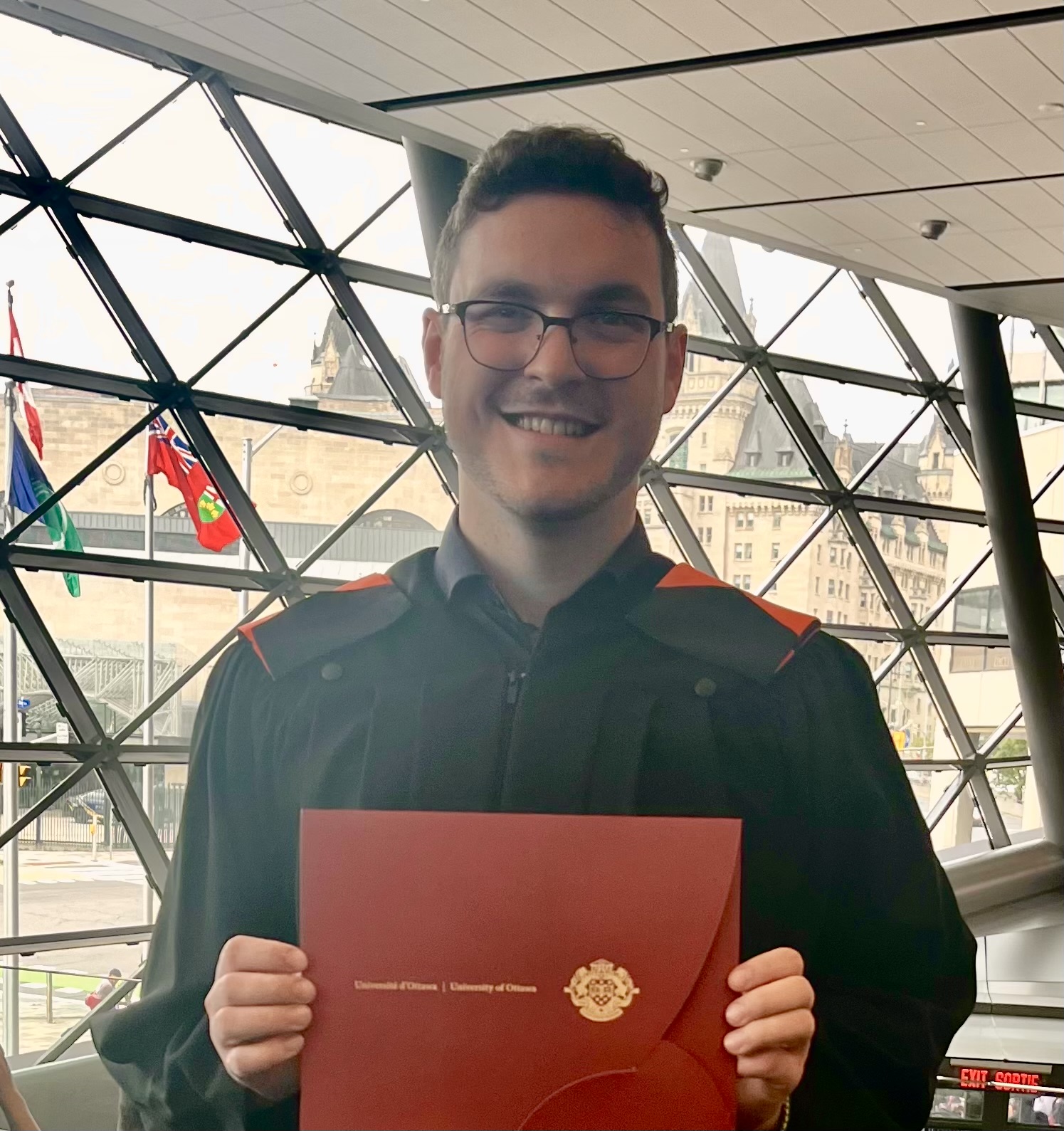
Mathieu Jackson Symons
Mathieu completed his bachelor's degree in mechanical engineering at the University of Ottawa in 2024. He is currently pursuing a Master of Applied Science, aiming to deepen his expertise in advanced manufacturing techniques to expand the possibilities in aeronautical component production and maintenance. His current research focuses on cold spray additive manufacturing, exploring its promising potential to advance green energy development through sustainable manufacturing and repair of energy systems. As part of his project, Mathieu is developing novel advanced coatings designed for renewable energy applications to improve the performance and durability of components by providing corrosion-resistant and conductive properties. Additionally, his work supports circular economy principles by enabling the restoration of worn parts, thereby reducing waste and decreasing the demand for new raw materials.