PhD Students
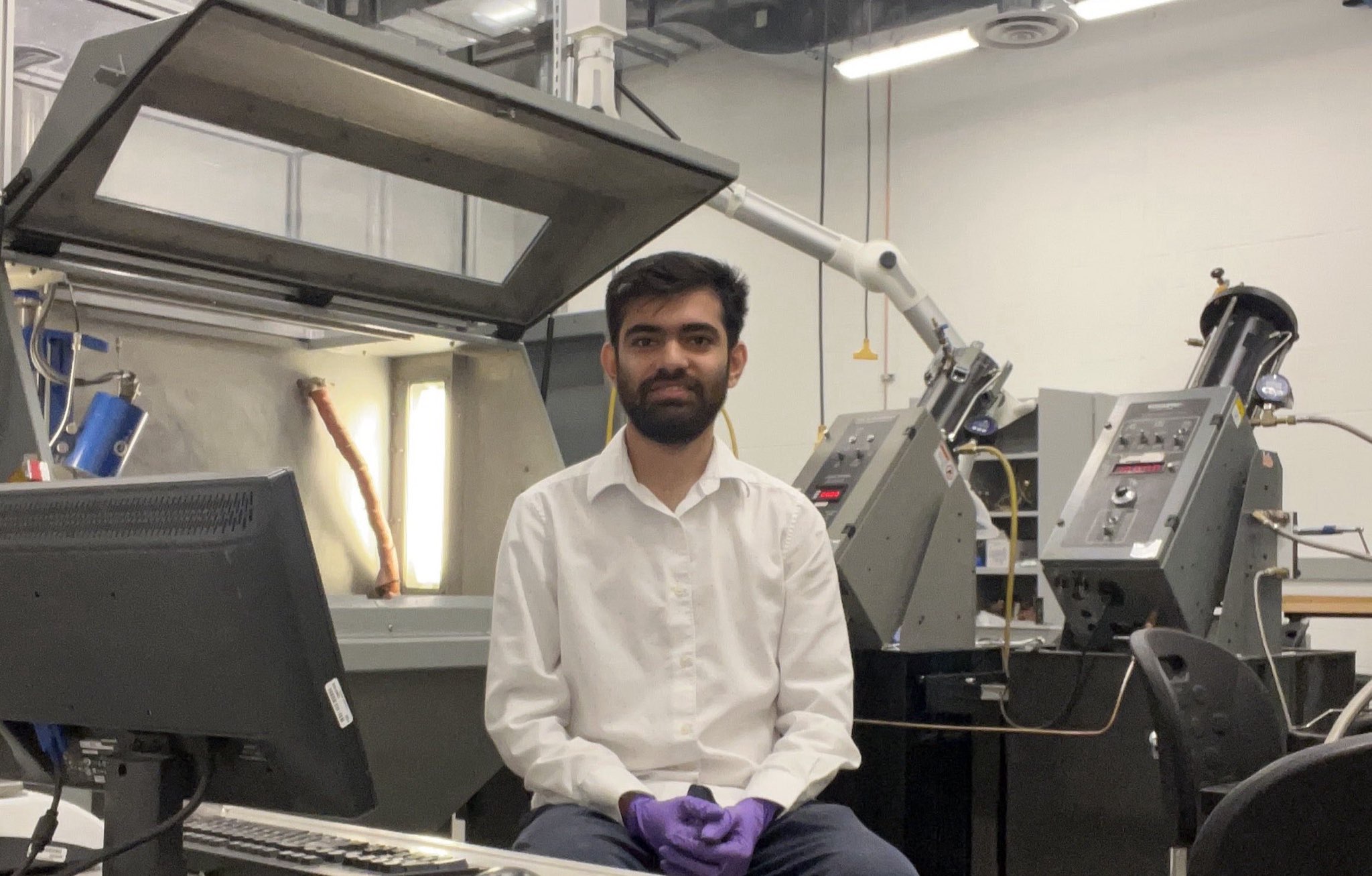
Krutik Mistry
Krutik Mistry is a Ph.D. candidate working on the development of functionally graded materials (FGMs) through Cold Spray Additive Manufacturing (CSAM), targeting key challenges in advanced coating technologies. He holds a bachelor’s degree in Materials and Metallurgical Engineering, with a strong foundation in surface engineering, powder metallurgy, and graphene synthesis. Krutik is the inventor of a patented electrochemical exfoliation process for graphene and has authored peer-reviewed publications in the field. His expertise lies in integrating hands-on experimentation with advanced materials characterization, contributing to scalable solutions in next-generation manufacturing. He is currently involved in developing functionally graded materials (FGMs) using a novel dual powder injection system integrated into a cold spray process. The project enables gradient material deposition with tailored mechanical properties. This work supports the shift from costly part replacement to sustainable surface engineering solutions in Canadian industry.

Juchan Son
Juchan Son is a Ph.D. candidate in Mechanical Engineering at the University of Ottawa. His research focuses on optimizing transpiration cooling through porous media with lattice structures using additive manufacturing techniques. Juchan’s work aims to improve thermal management systems by exploring innovative designs in heat transfer and fluid dynamics. Developing advanced cooling techniques for gas turbine components is crucial not only for protecting the components from harsh environments but also for enhancing overall turbine efficiency. This project focuses on developing an advanced film cooling method using a deterministic porous medium, such as a Triply Periodic Minimal Surface (TPMS). Unlike conventional stochastic porous media, the TPMS structure can enhance film cooling effectiveness without creating localized hot spots.
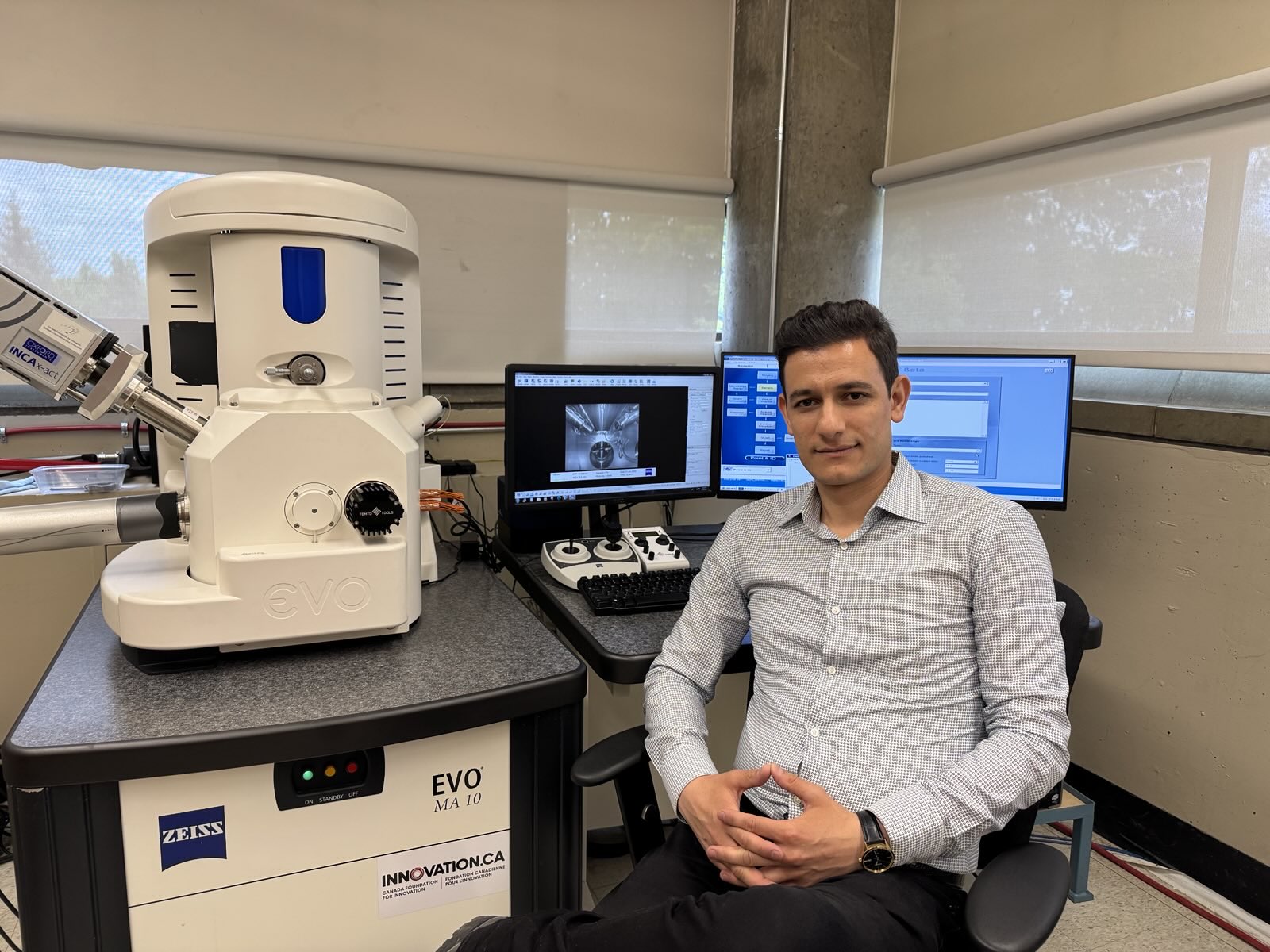
Hamid Rahmati
Hamid is a Ph.D. candidate in the Cold Spray Laboratory, specializing in advanced surface engineering and materials processing. He holds a Master’s degree in Materials Science from Amirkabir University of Technology (Tehran Polytechnic). His primary research focuses on the development of novel in-situ powder pre-treatment technique that can be seamlessly integrated into the Cold Spray process. This approach aims to enhance coating microstructure and performance without introducing additional processing steps, offering a more efficient and scalable solution for industrial applications. In parallel, Hamid is exploring emerging applications of Cold Spray Additive Manufacturing (CSAM), with a particular interest in pushing the boundaries toward the fabrication of functional metamaterials and metasurfaces. Additionally, he is collaborating to the Hi-AM research team trying to develop a predictive model for powder behavior and deposition efficiency in Cold Spray systems using AI and machine learning algorithms.
Parisa Hasanpour Dastjerdi
Parisa is a Ph.D. candidate in the Cold Spray Laboratory, where she is focused on developing advanced techniques for evaluating the mechanical properties of powders. Her research combines both experimental and numerical approaches to create an industry-friendly process for assessing the cold spray deposition efficiency of feedstock powders. This work is further enhanced by the integration of machine learning algorithms. The influence of powder feedstock size, geometry, material composition, and heat treatment on their mechanical properties will be thoroughly elucidated. The developed machine learning model will be used to thoroughly elucidate the influence of powder feedstock size, geometry, material composition, and heat treatment on their mechanical properties.
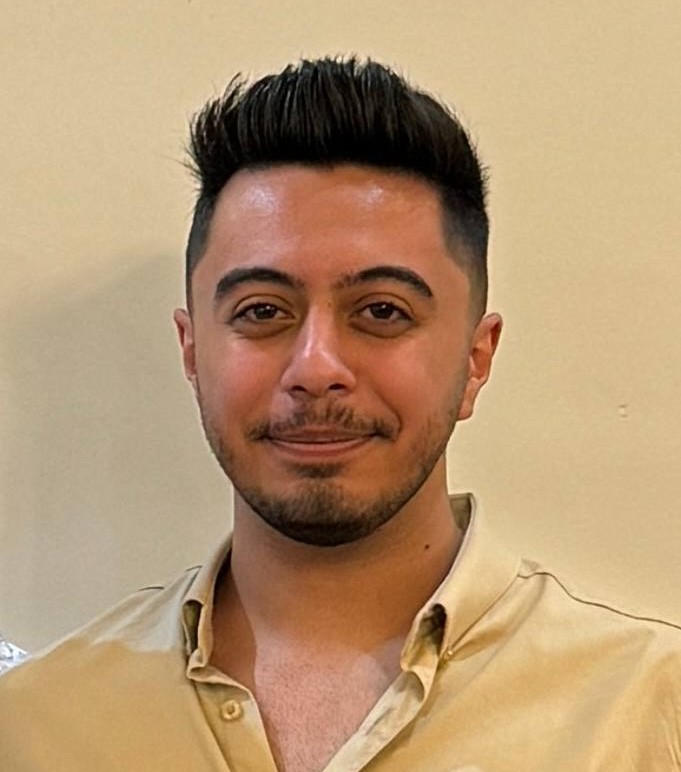
Nima Ghorbani
Nima Ghorbani is a Ph.D. student in Mechanical Engineering at the University of Ottawa, specializing in hydrogen storage materials, cold spray additive manufacturing, and advanced energy systems. He earned his Master of Applied Science (MASc) in Mechanical Engineering from the University of Windsor, where his research focused on investigating passive heating technologies and the thermal management of vehicle heat exchangers integrated with phase change materials (PCMs). Through this work, he developed expertise in computational modeling, heat transfer, thermal energy storage, and advanced numerical and experimental analysis methods. His current doctoral research focuses on improving solid hydrogen storage performance of materials through advanced powder processing and manufacturing techniques. He investigates the effects of transition metal oxides and intermetallic compounds on hydrogen absorption and desorption kinetics. His research combines materials synthesis, hydrogen cycling, microstructural characterization, and thermodynamic analysis to develop high-performance solid-state hydrogen storage systems. This work aims to advance the development of efficient hydrogen storage materials and functional coatings for next-generation clean energy applications.

Mohammed Waleed Qanbar
Mohammed Waleed Qanbar is a Ph.D. student in Mechanical Engineering at the University of Ottawa in collaboration with the National Research Council of Canada (NRC). His research focuses on aerothermals, combustion, cooling, and optical diagnostics, with an emphasis on experimental thermofluid science. His work aims to improve the understanding of heat transfer and flow phenomena in advanced cooling and combustion systems through the use of state-of-the-art optical measurement techniques. Prior to his Ph.D., Mohammed conducted research on hydrogen sensing and leak detection technologies, including the evaluation of sensor performance and the review of engineering codes, standards, and regulations related to hydrogen infrastructure. He also brings industrial experience in safety engineering, inspection, and the execution of large-scale technical projects. His current research investigates the interaction between flow structures, heat transfer, and combustion processes to support the development of more efficient and reliable aerospace propulsion and energy systems.